
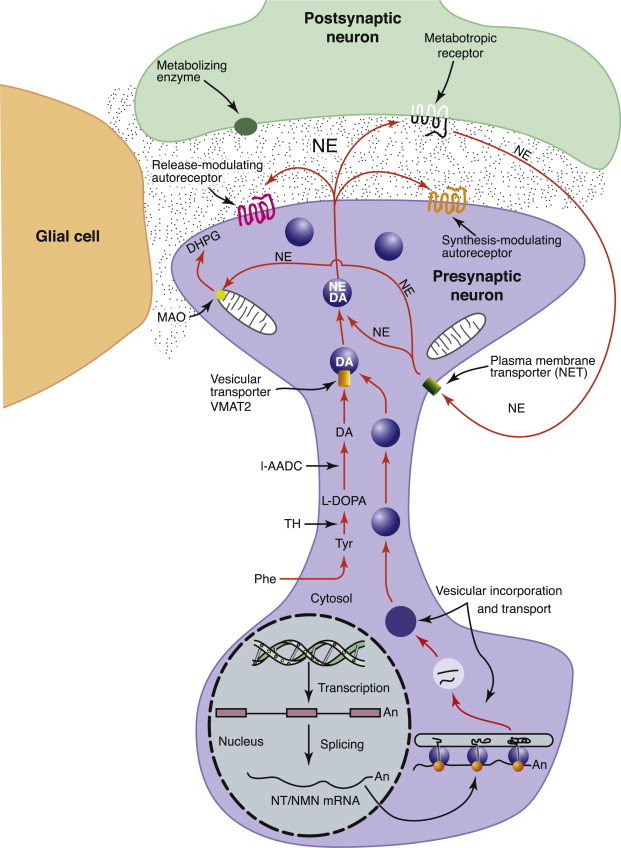
Investigating the neurochemistry of ayahuasca bridges ancient indigenous wisdom with modern neuroscientific research. When participants drink the sacred brew in ceremonies led by Shipibo shamans, a precise biochemical orchestration unfolds within the central nervous system. Furthermore, understanding the precise molecular interactions demystifies how plant decoctions catalyze profound psychological breakthroughs. Consequently, researchers gain deeper appreciation for the sophisticated pharmacology mastered by indigenous Amazonian botanists.
Whether you join our 3-Day Ayahuasca Retreat Toronto or our 7-Day Ayahuasca Retreat Toronto, exploring DMT and MAOIs pharmacology illuminates the intricate biological foundation supporting your healing journey.
Exact Biochemical Mechanisms Analyzed Through the Neurochemistry of Ayahuasca
Examining the neurochemistry of ayahuasca reveals a fascinating interplay between N,N-Dimethyltryptamine (DMT) and human neural receptors. When ingested, DMT acts primarily as a non-selective agonist at serotonin receptors, particularly the 5-HT2A subtype.
- Receptor Binding: First, DMT molecules bind to serotonin receptors across the cerebral cortex, altering sensory perception.
- Default Mode Network: Next, brain activity shifts dramatically, temporarily quieting the DMN and dissolving rigid ego boundaries.
- Neuroplastic Growth: Finally, neuroimaging studies indicate that this cascade stimulates synaptogenesis and neural plasticity.
Moreover, researchers publishing through the Multidisciplinary Association for Psychedelic Studies (MAPS) highlight how these mechanisms facilitate rapid neural reorganization and emotional release.
To ensure complete clarity during your Ayahuasca ceremonies, please review our safety standards alongside our Preparation guide.
Why Caapi Vine Pharmacology Drives Oral Activity
Understanding DMT and MAOIs pharmacology solves a long-standing biochemical puzzle: why raw DMT is inactive when swallowed orally on its own. Digestive enzymes in our stomachs and guts—specifically monoamine oxidases (MAO)—rapidly metabolize and destroy ingested DMT before it reaches the bloodstream.
Indigenous healers solved this biological hurdle centuries ago by combining DMT-containing leaves with the Banisteriopsis caapi vine. The vine supplies beta-carbolines (harmine and tetrahydroharmine), which act as reversible monoamine oxidase inhibitors (MAOIs). Furthermore, clinical experts contributing to the National Center for Complementary and Integrative Health (NCCIH) document how these MAOIs temporarily disable digestive enzymes, allowing DMT to cross the blood-brain barrier safely.
Additionally, you can consult our FAQs or speak directly with our Integration support team before arriving at The sanctuary.
How Modern Science is Validating Ancient Indigenous Pharmacy
Mastering the study of the neurochemistry of ayahuasca culminates in recognizing how Western science continually validates ancient indigenous pharmacy. Long before laboratories mapped receptor sites and enzyme pathways, Amazonian healers possessed empirical knowledge of botanical synergy.
When facilitators honor traditions preserved by Our shipibo shamans, they merge ancestral stewardship with modern scientific understanding. To learn why participants trust our center, read more about Why choose us.
Are you ready to experience plant medicine retreats supported by rigorous safety standards, expert care, and deep respect for botanical traditions? Book now to reserve your space, or return to the Home page to explore offerings. If you have questions, please Contact us or read articles on our Blog.