
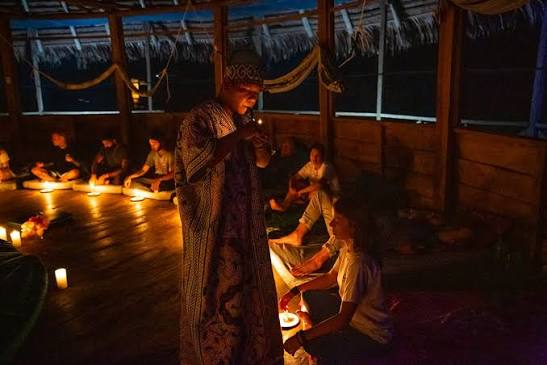
When examining the History of Ayahuasca Tourism in Peru, understanding how ancient shamanic traditions transformed into a global movement remains crucial. For generations, the sacred brew stayed closely guarded within indigenous Amazonian communities as a sacred sacrament.
Furthermore, if you are seeking a sacred container rooted in authentic lineage, you can explore our traditional 7-Day Ayahuasca Retreat Toronto or learn about our dedicated Our shipibo shamans who preserve these traditions.
How Western Interest Shaped the History of Ayahuasca Tourism in Peru
During the mid-to-late 20th century, the History of Ayahuasca Tourism in Peru shifted dramatically as writers, anthropologists, and seekers began venturing into the Amazon. Figures like William Burroughs sparked international curiosity, transforming an obscure indigenous medicine into a global phenomenon.
The Commercial Boom and Ecological Pressures of Sustainable Plant Medicine Peru
As travelers flooded regions like Iquitos, the landscape changed. Unfortunately, commercial demand led to the over-harvesting of the Banisteriopsis caapi vine, making sustainable sourcing vital. To understand our commitment to ecological integrity, review our The sanctuary page.
Cultural Commodification and Modern Ethics
Furthermore, the rapid influx of tourism created a market for opportunistic operators. Therefore, modern seekers must exercise discernment when researching retreats. You can review our safety guidelines on our Why choose us page.
Finding Centers That Protect Indigenous Rights and Fair Trade
Navigating plant medicine spaces requires prioritizing centers that honor indigenous communities. Within the broader History of Ayahuasca Tourism in Peru, ethical retreats ensure that Shipibo wisdom keepers receive fair compensation and genuine authority over ceremonial spaces.
Supporting Local Economies and Sustainable Plant Medicine
Responsible tourism actively funnels resources back into local villages, supporting sustainable education and healthcare. When you book an experience—such as our immersive 10-Day Ayahuasca Retreat Toronto—you directly support ethical lineages. For a complete overview, read through our Healing journey framework.
The Difference Between Exploitative Tourism and True Healing Partnerships
Reflecting on the Evolution of Ayahuasca Tourism and Ethics in Peru reveals a stark contrast between exploitative ventures and authentic healing partnerships. Exploitative tourism treats sacred medicines as a profitable commodity, stripping away foundational diets (dietas) and spiritual accountability.
Authentic Lineages vs. Spiritual Consumerism
Conversely, true healing partnerships view plant medicine as an animate teacher requiring deep humility and reciprocity. Proper preparation and post-ceremony care are vital extensions of this respect. You can explore how we guide participants through this process via our Preparation guide and our Integration support services.
When you feel ready to embark on a respectful healing path, you can secure your place through our Book now portal. For broader academic insights into indigenous sovereignty, you can also explore advocacy groups like Cultural Survival.