
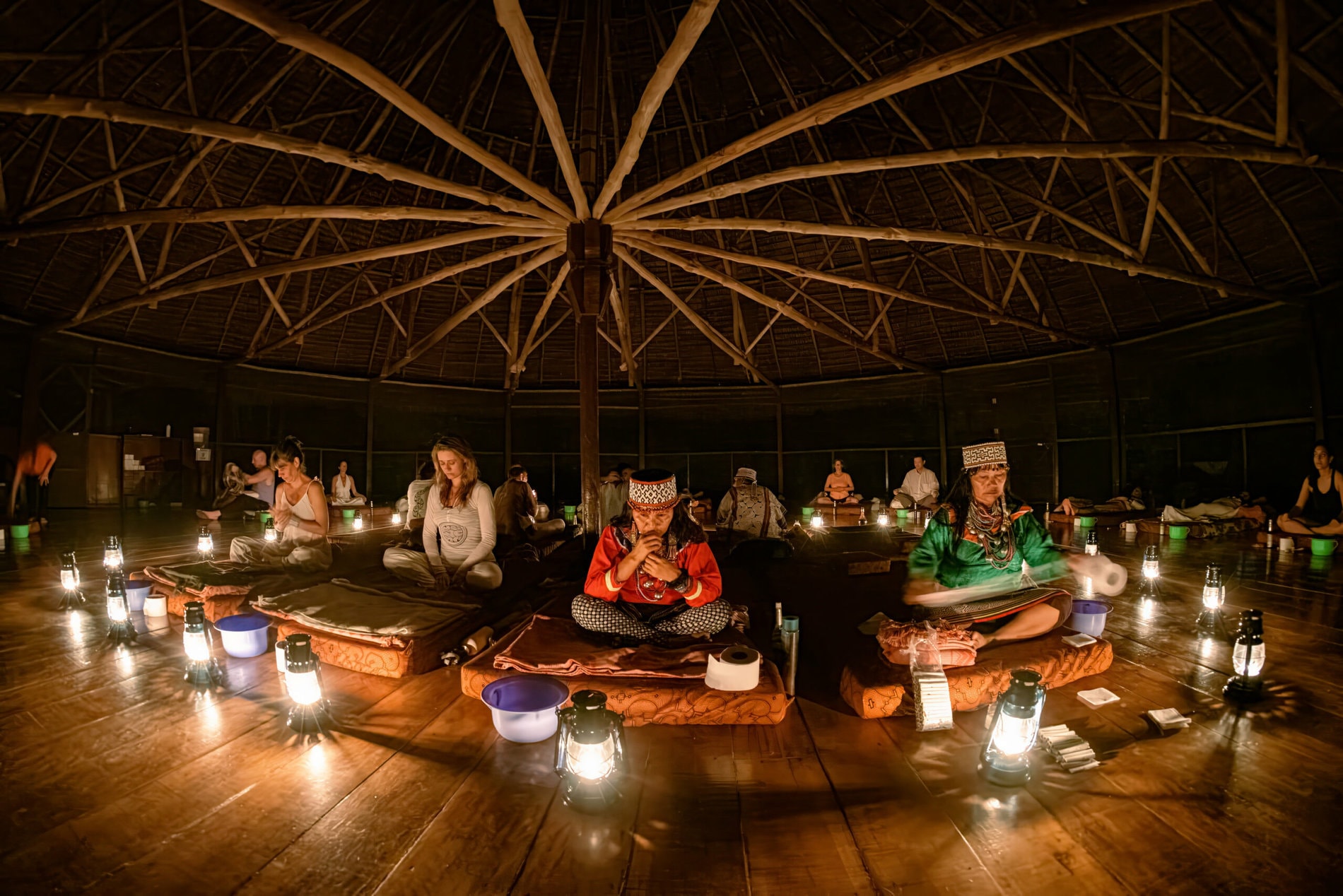
When individuals explore traditional entheogens, a common question frequently arises: Is Ayahuasca Addictive? Unlike conventional substances of abuse, the brew possesses unique neurochemical properties that actively discourage compulsive or habitual use.
Furthermore, if you are examining how plant medicine supports safe healing containers, you can review our foundational 3-Day Ayahuasca Retreat Toronto. Alternatively, you can explore our immersive 7-Day Ayahuasca Retreat Toronto designed with rigorous safety protocols.
The Physiological Lack of Chemical Dependency in Plant Medicine: Ayahuasca Chemical Dependency
Evaluating whether Is Ayahuasca Addictive requires looking closely at how the brain interacts with its active compounds. The primary psychoactive constituent, DMT, combined with MAO inhibitors, does not trigger the dopamine-driven reinforcement loops associated with chemical dependency.
Absence of Dopaminergic Reinforcement and Ayahuasca Chemical Dependency
Physiologically, unlike nicotine, alcohol, or opioids, the brew does not create physical tolerance or compulsive craving. Therefore, the body does not build a chemical dependency. To understand how our facilitators maintain supportive medical frameworks, review our Why choose us page.
Neurochemical Mechanisms and Physiological Habituation in Entheogens
Moreover, neurochemical studies indicate that entheogens operate differently in neural pathways. Consequently, physical habituation is virtually nonexistent. To explore our broader framework for safe participation, read through our Healing journey guide.
Why Ayahuasca’s Intensity Deters Recreational Abuse: Recreational Abuse Potential of Ayahuasca
Addressing Ayahuasca Abuse Potential and Habituation involves understanding the profound psychological intensity of the ceremonial experience. Recreational abuse relies on predictability and pleasurable sedation, neither of which the medicine provides.
The Demanding Nature of Ceremonial Work and Why Ayahuasca Cannot Be Abused
The physical purging, intense emotional processing, and overwhelming perceptual shifts make the experience deeply demanding rather than casually recreational. Thus, individuals rarely seek out the brew for casual escapism. To learn how we prepare participants for these intense emotional spaces, read our detailed Preparation guide.
Respecting the Power of Plant Teachers and Treating Addiction with Plant Medicine
Furthermore, the sheer gravity of working with entheogens instills a natural caution. Reputable centers emphasize this discipline, working alongside experienced practitioners like our Our shipibo shamans who uphold strict ceremonial standards.
Viewing Ayahuasca as Medicine Rather Than a Substance of Escape: Ayahuasca as Sacred Medicine
Exploring Is Ayahuasca Addictive ultimately shifts our perspective toward viewing the brew as sacred medicine rather than a substance of escape.
Transforming Relationship Dynamics via Psychological Relationship with Plant Teachers
Instead of fostering dependency, authentic plant medicine often helps individuals break free from existing addictions and compulsive behaviors by addressing root psychological trauma. Consequently, proper post-retreat processing is vital for grounding these insights. You can explore our dedicated Integration support services to see how we assist guests long-term.
When you feel ready to explore plant medicine within a safe, respectful container, you can review our availability via our Book now portal. For further reading on entheogen research and addiction science, you can also explore studies published by organizations like the Multidisciplinary Association for Psychedelic Studies (MAPS).