
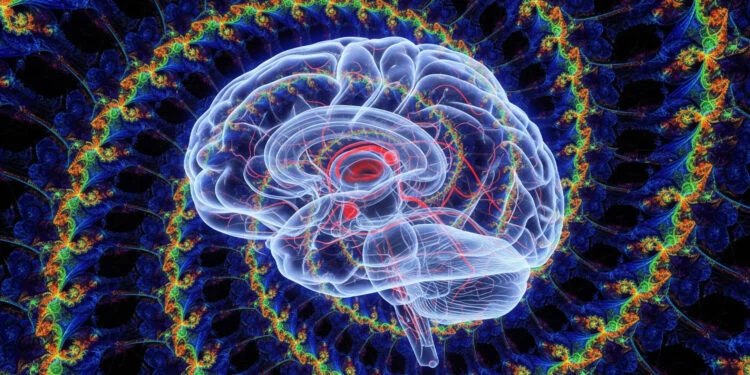
Exploring the science behind ayahuasca reveals a fascinating interplay of biochemistry and neurobiology. While indigenous traditions view the brew as a sacred spiritual teacher, modern science demonstrates how its chemical compounds interact with the human brain. Specifically, the synergistic combination of N,N-Dimethyltryptamine (DMT) and Monoamine Oxidase Inhibitors (MAOIs) unlocks profound therapeutic potential.
Whether you join our 3-Day Ayahuasca Retreat Toronto or our 7-Day Ayahuasca Retreat Toronto, understanding the how dmt and maois work in the brain brings confidence to your experience. Bridging ancient wisdom with modern research proves that plant medicine creates measurable changes in neural health.
Neuroplasticity and Neural Rewiring Through the Science Behind Ayahuasca
Investigating the science behind ayahuasca highlights its remarkable capacity to stimulate neuroplasticity—the brain’s ability to reorganize and form new neural connections. Chronic stress, depression, and trauma often lock the brain into rigid, repetitive thought loops.
Plant medicine promotes the growth of new dendrites and synapses, allowing individuals to break free from old mental habits. Research published by the Multidisciplinary Association for Psychedelic Studies (MAPS) details how psychedelics foster structural and functional neural remodeling.
To ensure complete clarity during your Ayahuasca ceremonies, please review our safety standards alongside our Preparation guide.
Quieting the Default Mode Network (DMN) for Ego Relief
Examining how dmt and maois work in the brain points directly to the Default Mode Network (DMN)—the brain region responsible for self-reflection, rumination, and ego maintenance. Overactivity in the DMN frequently drives anxiety, depression, and obsessive negative thinking.
When active compounds in the brew temporarily quiet the DMN, rigid self-identity dissolves, creating space for emotional renewal. Furthermore, clinical insights highlighted by the National Center for Complementary and Integrative Health (NCCIH) discuss how altering brain network connectivity supports psychological flexibility.
Additionally, you can consult our FAQs or speak directly with our Integration support team before arriving at The sanctuary.
Scientific Studies on Plant Medicine and Depression and PTSD
Reviewing the science behind ayahuasca reveals a growing body of clinical trials demonstrating significant reductions in treatment-resistant depression and PTSD symptoms. Brain imaging studies show that participants experience sustained mood improvements long after the ceremonial weekend concludes.
This rigorous research validates centuries of indigenous healing practices. Meanwhile, this scientific inquiry honors plant teachers guided by Our shipibo shamans. To learn why participants trust our center, read more about Why choose us.
Are you ready to explore the intersection of ancient healing and modern neuroscience under expert guidance? Book now to reserve your space, or return to the Home page to explore offerings. If you have questions, please Contact us or read articles on our Blog.